SEO for Side Projects: What Actually Moves the Needle in 2024
Most SEO advice assumes a content team and a budget. Here's what actually moves the needle when you're one person building and writing.


Most SEO advice assumes you have a content team, a link-building strategy, and a marketing budget. I have none of those. I have products, domain knowledge, and time to write.
After doing SEO for multiple products (some successful, some not), here's what actually moves the needle for solo founders and side projects.
What Works
Target low-competition, high-intent keywords. "Pilot exam preparation" has moderate search volume and low competition. "Website builder" has enormous search volume and impossible competition. Choose keywords where you can realistically rank on page one. In niche markets, this is almost every relevant keyword.
Write from domain expertise. Google rewards content that demonstrates expertise. A blog post about aviation exam preparation written by a pilot who built an exam platform is inherently more authoritative than generic content. Write about what you know deeply.
Technical SEO basics. Fast page loads, proper meta tags, semantic HTML, sitemap, robots.txt, structured data. These aren't optional. They're table stakes. The good news: Next.js handles most of this by default.
Consistent publishing. One quality article per month is better than ten articles in January and nothing until June. Search engines reward consistency. A steady publishing cadence signals an active, maintained site.
Internal linking. Link between your content pieces. Link from blog posts to product pages. Link from product pages to relevant content. Internal linking distributes page authority and helps search engines understand your site structure.
What Doesn't Work (for Solo Founders)
Link-building outreach. Emailing strangers asking for backlinks has near-zero conversion rate and high time cost. Not worth the effort for a solo founder.
Keyword-stuffed content. Search engines are sophisticated enough to detect and penalize keyword stuffing. Write naturally. Include your target keyword a few times. Don't force it.
Chasing trending topics. Writing about trending topics that aren't related to your domain attracts traffic that doesn't convert. Stick to your expertise.
Over-optimizing. Spending hours tweaking meta descriptions, adjusting heading levels, and A/B testing title tags has diminishing returns. Get the basics right and spend the remaining time creating content.
The Strategy That Works
- Identify 20-30 keywords relevant to your product
- Write one comprehensive article for each keyword
- Ensure technical SEO basics are correct
- Internal link between articles and product pages
- Publish consistently (1-2 articles per month)
- Wait 3-6 months for results
SEO for side projects is a patience game. The compound returns are real but slow. Six months of consistent effort produces results that accelerate over time.
Enjoyed this article?
I write about building products, AI, aviation, and the journey of entrepreneurship. Follow along for more.
Keep reading

Getting Started with Allem SDK: React Hooks for AI, Forms & Auth
Allem SDK is a collection of React hooks for AI chat, form validation, authentication, analytics, and utilities. Here is how to install and use it.

Getting Started with Allem UI: React & React Native Components
Allem UI is an accessible component library for React and React Native with 44+ components, dark mode, and Tailwind CSS v4. Here is how to install and use it.
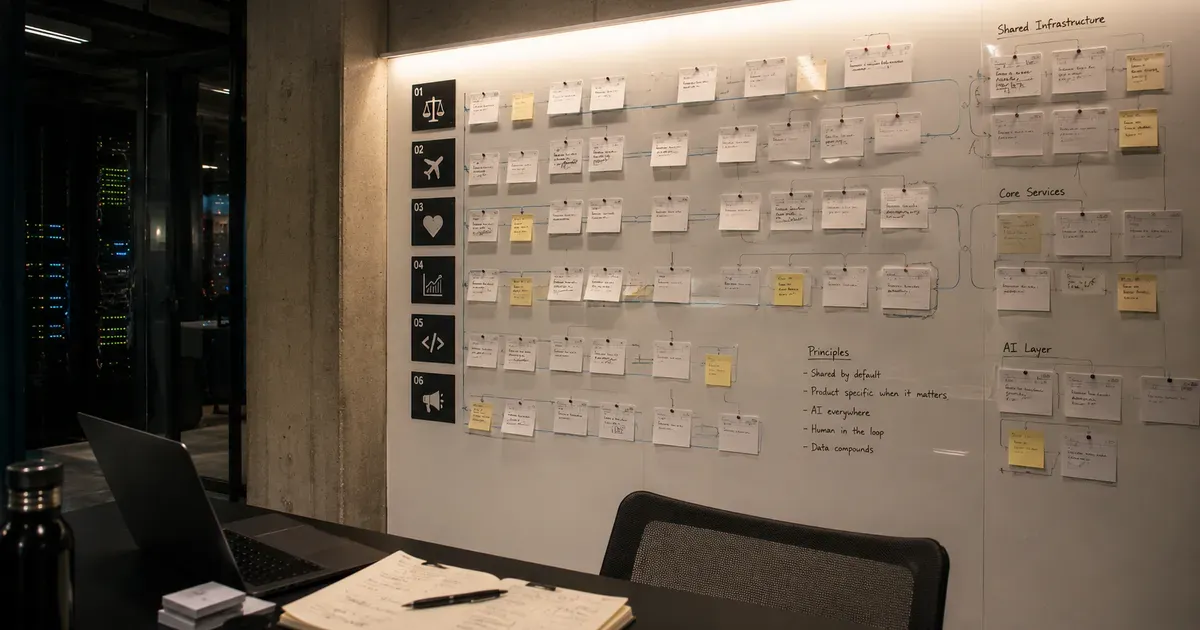
The Agento Suite: Building 6 AI Products in Parallel
In 2026, I launched six AI products across legal tech, travel, healthcare, and developer tools. Here is the architecture and playbook for building in parallel.