Why San Diego Is an Underrated City for Startups
San Diego isn't Silicon Valley, and that's its advantage. Lower costs, strong universities, and border proximity make it ideal for bootstrapped founders.

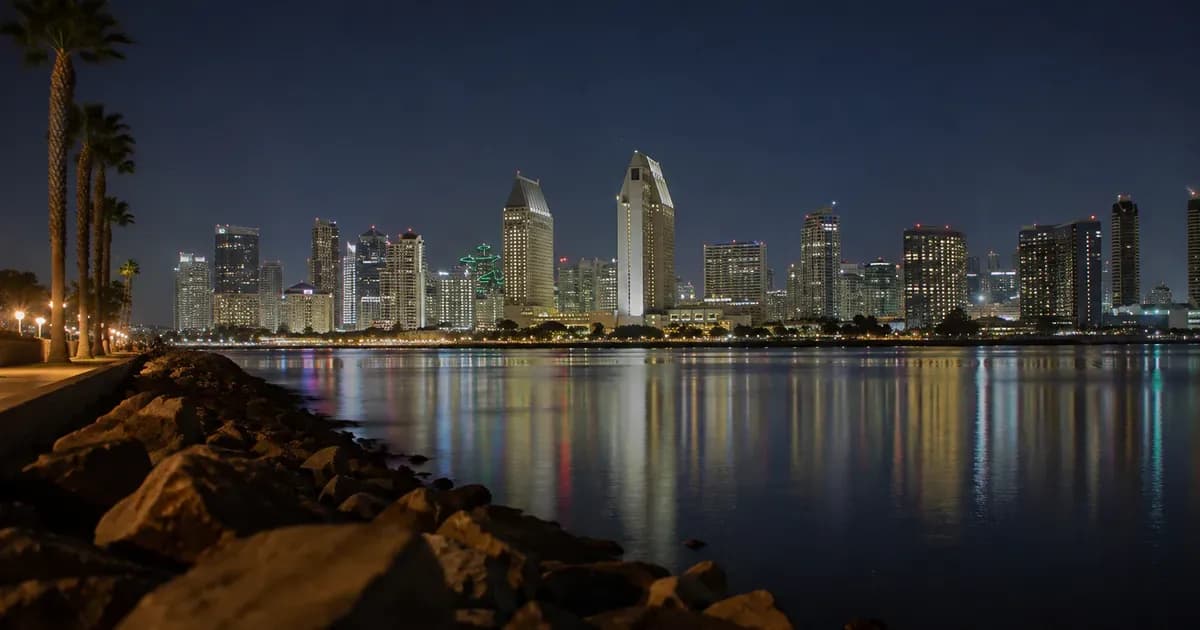
When people think of California startups, they think of San Francisco. Maybe Los Angeles. San Diego barely registers.
This invisibility is San Diego's greatest asset for founders who want to build sustainable businesses rather than VC-backed rockets.
I've spent significant time building products in the San Diego-Tijuana corridor. The startup ecosystem here is different from the Bay Area in ways that favor bootstrapped, profitable, and long-term thinking. Here's what makes San Diego work, and what doesn't.
The Cost Advantage
San Diego is expensive by national standards. By California standards, it's affordable. A one-bedroom apartment in San Diego costs roughly half of what the same apartment costs in San Francisco. Office space, food, and transportation follow similar patterns.
For a bootstrapped founder, cost of living is burn rate. Lower cost of living means longer runway. Longer runway means more time to find product-market fit without the pressure to raise external capital.
The cost advantage extends to talent. San Diego salaries for developers, designers, and marketers are 20-30% lower than San Francisco equivalents. The talent isn't less capable; the market is less competitive. A senior developer in San Francisco has fifteen companies competing for them. A senior developer in San Diego has five. The supply-demand balance is healthier.
And with Tijuana twenty minutes away, the cost advantage deepens further. Contract work, manufacturing, and certain operational functions can tap into the cross-border cost differential.
The University Pipeline
San Diego has strong universities: UC San Diego, San Diego State, University of San Diego, and several others. UCSD in particular produces strong engineering graduates who, in a different era, would have all moved to the Bay Area.
Remote work changed the calculus. A UCSD graduate who wants to work at a startup can now find one locally, or start one. The talent that previously drained north now has reasons to stay: lower cost of living, better weather, proximity to family, and a growing local ecosystem.
The university pipeline also creates opportunities for university-affiliated products. Student projects that become startups. Research that becomes intellectual property. University partnerships that provide credibility and early users.
The Lifestyle Factor
This might sound soft, but it's real: San Diego's quality of life makes it easier to build sustainably.
Building a startup is a marathon. The founders who sustain their energy for years, not months, are the ones who have lives outside their companies. San Diego's weather, beaches, outdoor activities, and general livability make it easier to maintain the work-life balance that prevents burnout.
In San Francisco, the startup culture celebrates overwork. In San Diego, the culture celebrates balance. This isn't laziness; it's sustainability. The founders I've met in San Diego tend to think in terms of years and decades, not months and quarters. That long-term orientation produces different kinds of companies: slower-growing but more durable.
What San Diego Lacks
Intellectual honesty requires acknowledging the gaps:
Venture capital is thin. San Diego has some VC firms, but the density and variety of capital available in San Francisco or New York is unmatched. Founders who need institutional capital beyond seed stage often need to network outside San Diego.
The network is smaller. In San Francisco, you can find domain experts in any niche. In San Diego, the network is shallower. This matters when you need introductions, advice, or partnerships that the local ecosystem can't provide.
Enterprise customers are limited. San Diego's major industries (biotech, defense, tourism, real estate) don't overlap with every startup's target market. B2B startups targeting fintech, adtech, or SaaS infrastructure may find their customers are elsewhere.
The narrative gap. San Diego doesn't have a strong startup narrative. No iconic companies that started here and scaled to global significance serve as proof that it's possible. This narrative gap makes it harder to attract talent, capital, and attention.
Who San Diego Works For
San Diego is ideal for:
- Bootstrapped founders who want to build profitable businesses without VC pressure
- Cross-border operators who want to use the Tijuana-San Diego corridor
- Remote-first companies whose customers and team are distributed
- Lifestyle founders who want to build ambitious products without sacrificing quality of life
- Biotech and healthtech founders who benefit from the local industry cluster
San Diego isn't trying to be Silicon Valley. And founders who come here expecting the Bay Area's intensity, density, and capital availability will be disappointed. But founders who come here looking for space, affordability, and the freedom to build on their own terms will find exactly what they need.
The best city for your startup is the one where you can build for the longest, at the lowest cost, with the least distraction. For a growing number of founders, that city is San Diego.
Enjoyed this article?
I write about building products, AI, aviation, and the journey of entrepreneurship. Follow along for more.
Keep reading

Surfyx: What Building a Surf App Taught Me About Distribution
Surfyx is a surf tracking app and social network. Building it taught me that distribution, not features, determines whether a product succeeds in a niche market.

How I Use AI to Run a One-Person Product Studio
I maintain ~20 products solo. AI is not replacing my work, it is multiplying it. Here is how I use Claude and AI tooling to operate at impossible scale.

Building Software for Lawyers: UX Lessons from a Non-Lawyer
What I learned about designing legal software as someone who has never practiced law, and why outsider perspective might actually be an advantage.