Betting on Aviation's Recovery While Everyone Else Left
By late 2020, many aviation startups had shut down or pivoted. I doubled down because the pilot shortage was deferred, not gone.

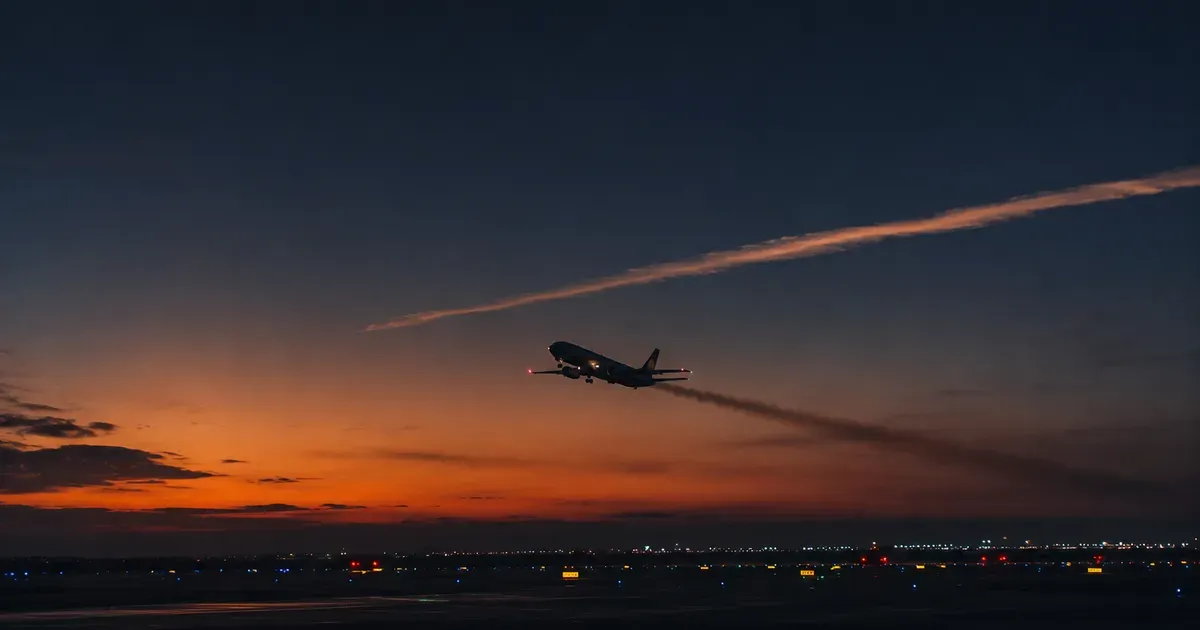
By November 2020, the aviation industry had been in crisis for eight months. Some aviation startups had shut down. Others had pivoted to non-aviation markets. Investors had deprioritized aviation as "too risky."
I made the opposite bet: I increased investment in aviation products.
The reasoning was structural, not emotional. The pilot shortage that defined pre-COVID aviation wasn't caused by temporary demand. It was caused by demographics (retiring pilots), fleet growth (aircraft orders that hadn't been cancelled, just deferred), and training bottlenecks (you can't accelerate the years required to build flight experience).
COVID paused these forces. It didn't eliminate them. When travel resumed (and it would resume, because humans fundamentally want to travel), the pilot shortage would return, potentially worse than before, because training had also paused.
The Thesis
Short-term pain, long-term gain. Aviation traffic in 2020 was at historical lows. Aviation traffic in 2025 would likely exceed 2019 levels. The question wasn't whether recovery would happen. It was when.
Competitors were leaving. Aviation tech companies that couldn't survive the downturn exited the market. This reduced competition for the recovery. Being one of the survivors meant a larger market share when demand returned.
Students were still studying. Even though exams were postponed and flight schools were disrupted, many student pilots continued studying theory. They had already invested tens of thousands in their training and weren't going to abandon it. Aviation Infinity's retention among serious students remained stronger than I expected.
Infrastructure building during downturns pays off. The features, content, and improvements built during the downturn would be ready when demand returned. I'd have a better product at the moment of maximum need.
What I Built During the Downturn
Instead of retreating, I invested the quiet months in building:
- Completed coverage of all EASA ATPL subjects
- Improved the adaptive learning algorithm based on two years of student performance data
- Built institutional features for flight school partnerships
- Improved mobile experience and offline capabilities
- Expanded content for additional aviation authority standards
Each improvement would have been harder to build during growth. When users are actively studying and expecting stability, major changes are risky. The downturn gave me a window to rebuild without disrupting active users.
The Recovery
The bet paid off. As aviation recovered in 2021 and accelerated in 2022, Aviation Infinity was ready with a product that was dramatically better than its 2019 version. Students returning to training found a platform that had improved during their absence. Flight schools looking for study tools found a mature, comprehensive platform with fewer competitors.
The recovery in pilot training demand was even stronger than the pre-COVID trend, because the deferred demand compressed into a shorter timeline. Airlines needed pilots urgently. Training organizations expanded. Student enrollment surged.
Aviation Infinity's user base grew faster during the recovery than it had during the pre-COVID growth period, because the product was better and the competition was thinner.
The Lesson
Betting on recovery during a crisis is a form of courage that looks like stubbornness in real time and wisdom in retrospect.
The key is distinguishing between industries in temporary crisis (aviation, travel, hospitality) and industries in structural decline (certain retail categories, some media formats). Temporary crises are buying opportunities. Structural declines are exit signals.
Aviation's crisis was temporary because the underlying demand (humans wanting to fly) was permanent. Building through the temporary crisis meant being positioned for the permanent demand.
Not every bet on recovery works. But the worst outcome (being wrong about timing) isn't catastrophic for a bootstrapped founder with low costs. Being early is expensive if you're burning VC money. Being early is free if your burn rate is near zero.
Enjoyed this article?
I write about building products, AI, aviation, and the journey of entrepreneurship. Follow along for more.
Keep reading
New Pilot Shop & Want To Be a Pilot: Niche Communities
I built an aviation e-commerce store and a pilot mentoring platform for tiny markets. Small communities with deep needs are more valuable than large, shallow ones.

Building for 33 Aviation Authorities Taught Me Regulated AI
Most AI startups avoid regulated industries. Here is what a decade inside aviation, legal, and healthcare taught me about building AI that must be right.

The Aviation Portfolio: How Five Products Serve One Industry
Inside the strategy behind building five complementary products for the aviation industry. Aviation Infinity, Avioyx, AvioSharing, New Pilot Shop, and Want To Be a Pilot.