When Your Industry Shuts Down: Aviation During COVID
In March 2020, global aviation shut down overnight. Air traffic dropped 90%, flight schools closed, and my primary market evaporated.

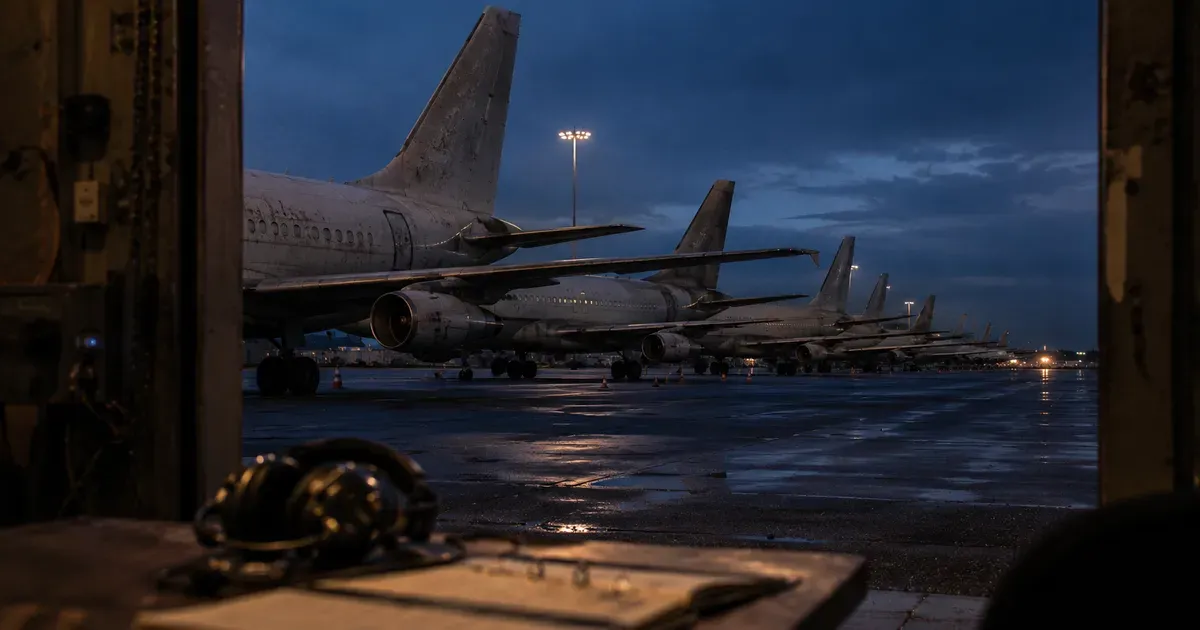
March 2020. In the span of two weeks, aviation went from its best year ever to its worst crisis in history.
Country after country closed borders. Airlines grounded fleets. Airports emptied. Flight schools (my primary customer channel for Aviation Infinity) suspended operations. Student pilots who were weeks from their exams had no idea when they'd be able to take them.
This wasn't a slow decline to manage. It was a cliff to survive.
The Numbers
Global air traffic dropped approximately 90% from February to April 2020. Not 90% of growth, but 90% of total traffic. Airlines that were hiring hundreds of pilots per year announced furloughs of thousands. The pilot shortage that had defined the industry for a decade reversed overnight.
For Aviation Infinity:
- New sign-ups dropped sharply as flight schools closed
- Existing users stopped studying because exams were postponed indefinitely
- Flight school partnerships paused because schools didn't know if they'd reopen
- Revenue declined significantly within weeks
The decline wasn't because the product was bad. It was because the market temporarily ceased to exist. You can't sell exam preparation when there are no exams.
The Response
The temptation during a market collapse is to panic, cut everything, and wait. I did something different: I used the downtime to build.
Accelerated content development. Flight schools were closed. Students were home. But the curriculum hadn't changed. When exams resumed, students would still need to pass the same subjects. I used the quiet months to expand Aviation Infinity's content: new subjects, better explanations, more practice questions.
Improved the product. Features I'd been postponing because of user growth demands (better analytics, improved study scheduling, UI refinements) got built during the downturn. When users returned, they'd find a significantly better product.
Reduced costs. I cut non-essential expenses. Deferred planned hires. Reduced marketing spend to near zero (no point advertising to a market that isn't buying). The lean operation that served me well during growth served me better during contraction.
Diversified thinking. The crisis reinforced that building for a single industry is risky. I started thinking seriously about products in other domains (travel, AI) that could provide revenue diversification. This thinking would eventually lead to ClickAi improvements and early exploration of new product directions.
What I Learned
Market risk is real and sudden. I'd understood market risk intellectually. COVID made it physical. A perfectly good product in a suddenly dead market generates zero revenue. Diversification isn't just smart. It's survival insurance.
Downturns are building seasons. When the market is booming, you're running to keep up with demand. When the market contracts, you have time to build. The products and features built during COVID became competitive advantages when the market recovered.
Users are loyal if you're there. I kept Aviation Infinity running, kept updating content, and kept responding to user support during the shutdown. Users who returned found a product that had improved while they were away. That loyalty, forged during a crisis by simply showing up, became long-term retention.
Cash reserves matter. The bootstrapped products that survived COVID had cash reserves or low burn rates. Products burning VC money on growth at all costs were vulnerable when the growth stopped and the money tightened.
The aviation industry would recover. The question was whether I'd still be building when it did. The answer was yes, because the fundamentals of the business (low costs, no debt, continuous improvement) were designed to survive exactly this kind of shock.
Enjoyed this article?
I write about building products, AI, aviation, and the journey of entrepreneurship. Follow along for more.
Keep reading
New Pilot Shop & Want To Be a Pilot: Niche Communities
I built an aviation e-commerce store and a pilot mentoring platform for tiny markets. Small communities with deep needs are more valuable than large, shallow ones.

Building for 33 Aviation Authorities Taught Me Regulated AI
Most AI startups avoid regulated industries. Here is what a decade inside aviation, legal, and healthcare taught me about building AI that must be right.

The Aviation Portfolio: How Five Products Serve One Industry
Inside the strategy behind building five complementary products for the aviation industry. Aviation Infinity, Avioyx, AvioSharing, New Pilot Shop, and Want To Be a Pilot.